
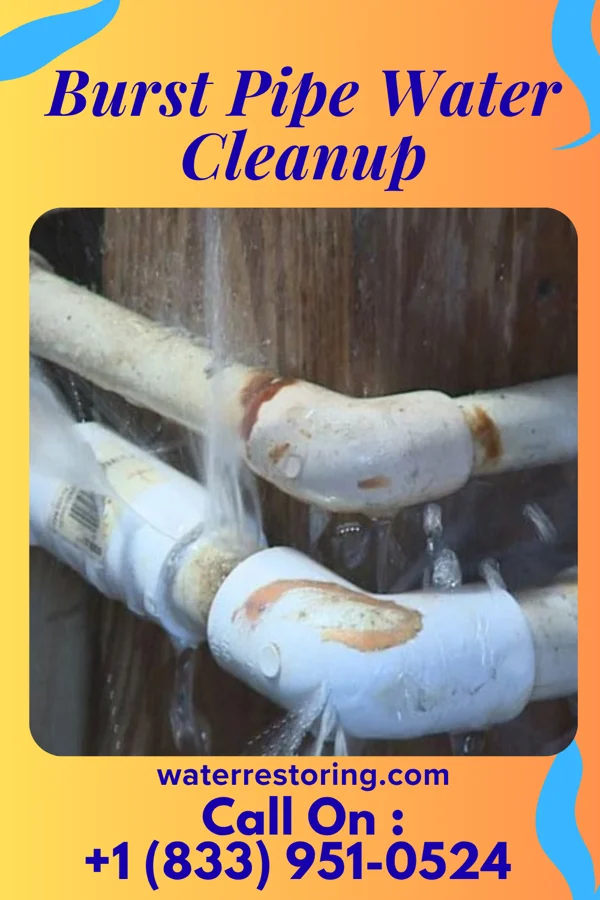
Salt Lake City Pipe Burst Risk Drivers
Water damage in Salt Lake City tends to cluster in predictable windows because of the local climate. Salt Lake City experiences frequent temperature fluctuations, which can cause pipes to expand and contract, increasing the risk of bursts. Additionally, the city's high population density and older infrastructure in areas like South Salt Lake and North Salt Lake contribute to a higher likelihood of pipe failures during extreme weather events. A close second is The presence of numerous commercial and residential buildings in neighborhoods like Woods Cross and West Valley City leads to higher water pressure in municipal systems. This, combined with aging plumbing in older homes, increases the risk of sudden pipe bursts, especially during winter months..
Salt Lake City's climate, characterized by extreme temperature swings and seasonal freeze-thaw cycles, places significant strain on residential and commercial plumbing systems. These conditions make burst pipes a common emergency, especially in areas with older infrastructure.
Salt Lake City's climate, characterized by extreme temperature swings and seasonal freeze-thaw cycles, places significant strain on residential and commercial plumbing systems. These conditions make burst pipes a common emergency, especially in areas with older infrastructure. The dominant local driver is Salt Lake City experiences frequent temperature fluctuations, which can cause pipes to expand and contract, increasing the risk of bursts. Additionally, the city's high population density and older infrastructure in areas like South Salt Lake and North Salt Lake contribute to a higher likelihood of pipe failures during extreme weather events., with The presence of numerous commercial and residential buildings in neighborhoods like Woods Cross and West Valley City leads to higher water pressure in municipal systems. This, combined with aging plumbing in older homes, increases the risk of sudden pipe bursts, especially during winter months. showing up as the next most common cause. Damage builds in stages. Spread. Absorption. Microbial growth. Structural compromise. Every stage you pass through adds to the final bill.